


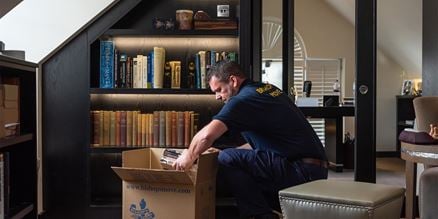


Can you work if you’re retired?
There is no longer a default retirement age, so you can work after you’ve retired, even after you’ve reached your state pension age. More and more people are working later in life, as a result of changes to the state pension, the removal of forced retirement, and the cost of living, with 13% of over 65s still in employment.
There are certain jobs that do have set retirement ages, such as the fire and police services. But if you want or need to continue working after leaving such a role, you could certainly choose to do a different job to suit your ideal work-retirement life balance.
You can continue working once you reach retirement age, reduce your working hours, or return to work after spending some time away from employment.
What if you already receive a pension?
If you want to do paid work after you start receiving a pension income, you can do so. However, you’ll need to be aware of the potential tax implications of this. A professional advisor can explain how this might impact your specific circumstances, which can help you decide what type of work you want to do, and how many hours you’d like to work.
How many hours can you work after retirement in the UK?
There is no set limit on working hours for older people. You can choose to work full-time, part-time, or on a freelance basis, depending on what best suits your lifestyle and commitments. Many over 60s choose to reduce their hours to give themselves time to pursue other interests.
Pros and cons of working during retirement
From boosting your finances to turning your passion into a business, there are many advantages to working after retirement. Of course, working after retirement isn’t for everyone. For many people, retirement is a welcome chance to escape the grind of a 9-5, relax, enjoy hobbies, and spend more time with friends and family.
| Pros | Cons |
|---|---|
| Fulfilment: Working a job you enjoy can give you an enormous sense of satisfaction, purpose, and happiness. | Tax implications: If you’re receiving a pension, additional earnings from paid work may push you into a higher tax bracket. |
| Routine: Full or part-time jobs give each day a structure. Getting up for work or meeting deadlines provides a routine that - perhaps surprisingly - many people miss when they retire. | Time: Working means you’ll have less time for the things you love or want to do, such as bucket list items, dream holidays, or spending quality time with grandchildren. |
| Social connections: At work, you’ll interact with a range of people. You can build strong friendships and feel valued as part of a community. | Added stress: If your work is stressful or physically demanding, it could be harmful to your health and well-being. |
| Stay agile and active: Working and learning new skills can help to keep you physically and mentally fit. | Enjoyment: You might find yourself no longer liking your work. Perhaps the industry you work in has changed too much, or you simply find it boring. |
Types of work for older people
In retirement, you can choose to undertake paid or unpaid work, depending on your needs, goals, and the flexibility you’d like to have.
Paid work: Full-time and part-time
You can work full-time in later life for as long as you want or feel able to. Perhaps you want to stay in your current job, or fancy a change of career. Lots of employers welcome older people into the workplace, recognising their strong work ethic and experience as assets.
If you’re over 60, enjoy your current job, and want to stay, you might find that negotiating part-time hours is the best option. Check your company’s policies on flexible working and come up with a workable plan before you talk to your employer. Think about the hours that you’d like and how you think it could work in a way that would suit both of you.
Your employer should at least consider your request and may very well embrace the idea of retaining your skills and experience within the business.
Volunteer work
If extra income isn’t important for you in retirement, you might want to consider voluntary work. You’ve worked hard all your life to save up for retirement, and now that you’re comfortable, you may wish to spend time in a role that gives back to local communities or a cause close to your heart.
There are countless unpaid opportunities in charities, for example, such as trustees or shop workers, or you could volunteer in a local school or church to help things run more smoothly.
Four rewarding jobs for retirees
Any job you have during retirement should be both financially and personally rewarding. Work should make your retirement happier and more fulfilling, not stressful or detrimental to your health.
One of the best things about working in later life is that, if you have the buffer of an income from a pension, it’s the ideal time to take risks and earn money on your own terms, doing something you really enjoy.
Here are some interesting career ideas for you to think about pursuing in retirement.
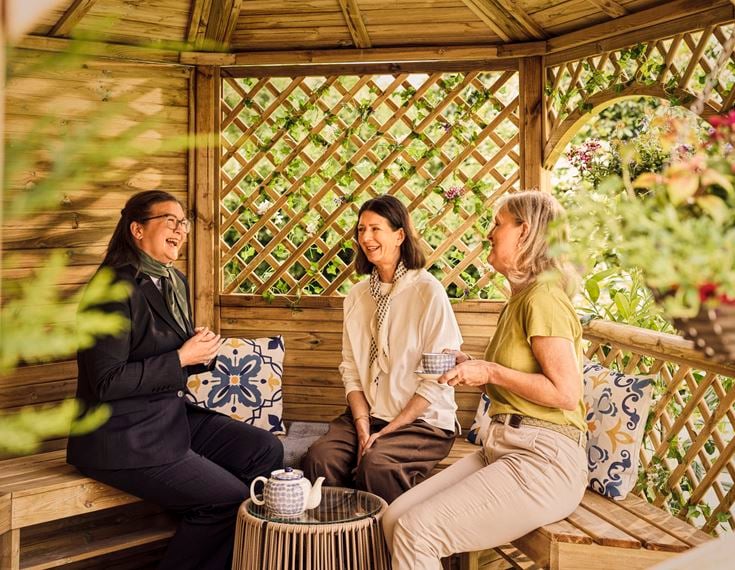
1. Consultant or freelancer
Chances are, you’ve built up a wealth of skills and experience in your career. This knowledge can be very valuable to other businesses.
Working as a freelancer or consultant allows you to monetise your expertise. You’ll have to put the effort in to find regular work, but you’ll have more control over your hours, pay and conditions.
Even if your skills don’t seem immediately transferable, think creatively – if you’re retiring from a teaching career, perhaps you could become a personal tutor.
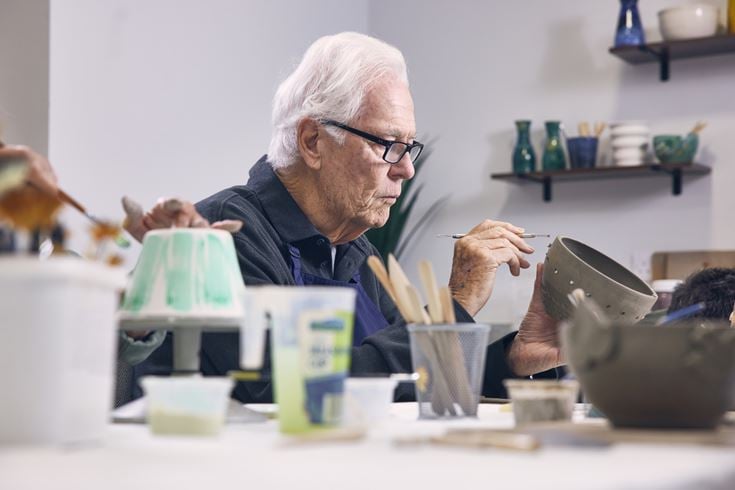
2. Turn your hobby into a business
If you’re particularly passionate or talented in a hobby, there are ways to turn your interest into a money-maker. The possibilities are endless, but here are a few common pursuits:
- Good at yoga? Consider becoming a yoga or Pilates instructor.
- Enjoy knitting, crocheting, or woodworking? Sell your creations online or at local markets.
- Love writing? Why not try to publish your stories?
McCarthy & Stone homeowner, Dr Stewart, a retired industrial chemist, explains how he turned his cider-making hobby into a business.
I started making cider in 2012 …but the juicer we used just wasn’t up to it. My background as a chemist came in handy, and I started testing and adapting several larger juicers and came up with a single-step juice and strain cider-making system. Other cider-makers were interested in it, so what started as a hobby has become a small business called Juice and Strain… We’ve had interest from around the world.

3. Looking after animals
If you love animals, you could consider pet-sitting or volunteering at a shelter on a part-time basis. You could look after pets in their homes while their owners are at work or on holiday, or offer pet boarding in your own home, as well as dog walking.
No experience or qualifications are required, and you’ll get the joy of looking after lots of different animals without the commitment of ownership.
Plus, you can look after the animals in your care from the comfort of your home, as McCarthy & Stone properties are pet-friendly.
We welcome pets at McCarthy & Stone
4. TV and film extra
Working as an extra in movies and TV shows is a fun and varied job for retired people. No experience is required, and productions always need a variety of people to play ordinary members of the public in soaps and shows. Simply sign up to a casting agency to get started.
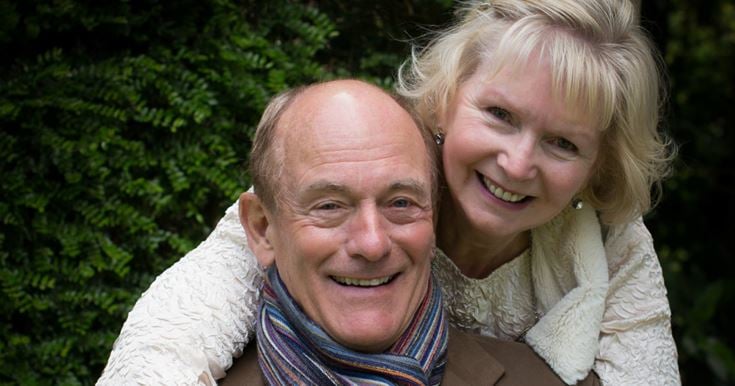
McCarthy & Stone homeowners Angie and Edson Chase (pictured above) have forged their TV career after answering an ad asking for ‘businesspeople’ to star in a music video.
Angie said,
My husband and I used to work in finance, so I thought why not? We travelled to London, and it was a real eye-opener. We had to act like we were in a ‘gang’ – my husband wore his tie round his head, and we got covered in spray paint, it was a lot of fun.
Read more about Angie and Edson’s acting career
Live retirement your way with McCarthy & Stone
Our homeowners are welcome to continue employment in later life. Whether you’re planning to work or would prefer to spend your free time doing your own thing, McCarthy & Stone retirement communities provide the perfect base to make the most of your retirement.
Our developments can be found in sought-after locations across the UK, with lifestyle options to suit you. Discover independent living in a luxurious Retirement Living home or the added reassurance of Retirement Living Plus, and find the right property that supports your retirement dreams.
If you have any questions about buying, renting, or life at McCarthy & Stone, contact us or call our team on 0800 201 4811.


