


At some point in later life, many of us start asking whether our current home will continue to meet our needs in the years ahead. It rarely starts with a major decision. More often, it’s a series of small moments, like avoiding the bath because it feels less steady or realising the stairs have become harder than they once were.
If you’re beginning to wonder whether your home will continue to meet your needs, you’re not alone.
This guide compares home adaptations with assisted living, explaining the costs, funding options and practical considerations to help you decide which choice is most likely to support your independence now and in the future.
Explore Retirement Living Plus properties
What does it mean to adapt your home?
Adapting your home means making changes that help you continue living there safely and comfortably as your needs change.
Some adaptations are almost invisible. A grab rail beside the front door, brighter lighting on the stairs or lever taps in the kitchen can make everyday tasks feel easier without changing how your home looks or feels.
Others involve more significant work. Replacing a bath with a level-access shower, widening doorways for easier access or installing a stairlift can transform how you move around your home and reduce the risk of falls.
Many people don’t make all these changes at once. They tend to happen gradually as new challenges appear. One improvement solves one problem, then a few years later another part of the house needs attention.
For homes that are already well-suited to later life, adapting them can be an excellent way to maintain independence while staying somewhere familiar. If you’ve lived in the same house for decades, remaining there may be exactly what you want.
Even with adaptations, some homes remain difficult to live in. Multiple floors, steep gardens or the ongoing upkeep of an older property can continue to present challenges.
What is assisted living?
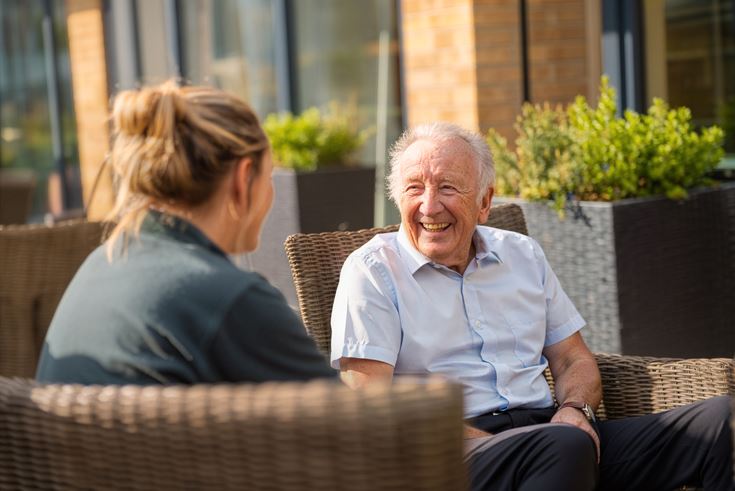
Assisted living combines independent living with flexible care and support, allowing you to stay in your own home while getting help when you need it.
Unlike a residential care home, you live in your own private apartment or bungalow rather than a single bedroom. You come and go as you please, choose your own routine and maintain your independence, with support available if everyday tasks become more difficult.
Different providers offer slightly different services, with assisted living often being referred to as extra care. At McCarthy & Stone, we call our assisted living developments Retirement Living Plus, which bridges the gap between independent living and residential care.
At McCarthy & Stone, Retirement Living Plus developments are designed for people who are mostly independent but would benefit from a helping hand from time to time. That might include support with household chores, personal care, meal preparation, medication management or everyday life admin, with care tailored to your individual needs.
Because support can increase over time, assisted living gives many people the reassurance that they won’t necessarily need to move again if they begin needing a little more help.
Types of home adaptations
Home adaptations range from simple improvements you can install in an afternoon to major building work that permanently changes how your property functions.
Small home adaptations
Smaller adaptations are often the quickest and most affordable way to improve safety and comfort around the home.
These might include:
- Grab rails beside doors, steps and bathrooms.
- Non-slip flooring or bath mats.
- Raised toilet seats.
- Lever taps and door handles.
- Adjustable chairs or riser recliners.
- Specialist kitchen equipment, such as adapted cutlery and easy-grip utensils.
- Improved lighting throughout the home.
Individually, these changes may seem minor. Together, they can make everyday routines feel much more manageable while helping you remain confident at home.
Larger home adaptations
Some homes need bigger changes before they work comfortably in later life.
These can include:
- Walk-in showers or wet rooms.
- Stairlifts
- Through-floor lifts.
- Widened doorways.
- Wheelchair ramps.
- Accessible kitchens.
- Ground floor extensions or bedroom conversions.
These adaptations often require building work and coordination with contractors, making them more disruptive than smaller changes.
A purpose-built retirement apartment approaches things differently. Many of the features people later pay to add to an existing home are already included in purpose-built Retirement Living Plus apartments. That means there’s no need to arrange or fund major adaptations after you move in.
At Retirement Living Plus developments, homes are built with later life in mind and support is available if circumstances change, so residents aren’t constantly planning the next alteration.
How much do home adaptations cost?
Home adaptations can range from relatively inexpensive improvements to major building projects, depending on the changes you need.
Simple additions such as grab rails, brighter lighting or lever taps are often affordable and quick to install. Larger adaptations, including walk-in showers, stairlifts or widening doorways, require specialist equipment or building work, making them a much bigger financial commitment.
The overall cost depends on several factors, including the type of property you live in, the scale of the work and whether structural changes are needed. It’s also worth thinking beyond the initial installation. As needs change over time, further adaptations or ongoing home maintenance may become part of the picture.
Assisted living works differently. Rather than adapting an existing property over several years, you’re moving into a home that’s already designed with later life in mind. Many accessibility features are built into the property, and building maintenance is taken care of as part of living in the development. Although assisted living has its own costs, they’re structured differently from paying for adaptations over time, making it worthwhile to compare the long-term financial picture with the initial outlay.
Funding options for home modifications and adaptations
Many home adaptations can be funded privately, but financial support is available in some situations.
Check your eligibility for the Disabled Facilities Grant (DFG) to help pay for larger adaptations that make it easier to live independently. This can include work such as installing ramps, stairlifts, level-access showers or widening doors.
The process usually involves:
- Requesting a care needs or occupational therapy assessment through your local authority.
- Identifying which adaptations are considered necessary.
- Applying for funding if you’re eligible.
- Waiting for approval before major work begins.
Smaller adaptations are sometimes provided through your local council or NHS services, while charities and Home Improvement Agencies may also offer advice or practical support depending on where you live.
Financial support isn’t available in every situation. Some people choose to pay for adaptations themselves so the work can begin when they’re ready, rather than waiting for funding decisions.
Before committing to major alterations, it’s worth asking a broader question: Will these changes solve the challenges you’re facing today, or are they likely to be the first of several adaptations over the coming years?
That question often becomes just as important as the cost itself.
Pros and cons of adapting your home
Home adaptations and assisted living both help people stay independent, but they do it in different ways.
One keeps you in your existing home and changes the environment around you. The other gives you a home that’s already designed for later life, with support available if and when you need it.
Neither option is automatically better. The right choice depends on your priorities, your property and how you expect your needs to change over time.
The comparison below highlights some of the practical differences.
Consideration | Adapting your current home | Assisted living |
|---|---|---|
Time | Small changes can be made quickly, but larger adaptations often require assessments, quotes, contractors and building work. | Purpose-built homes are already designed for later life, so there’s no need to arrange major adaptations after moving in. |
Effort | You may need to organise assessments, apply for grants, manage tradespeople and oversee work yourself. | After you’ve moved in, building maintenance is taken care of, and support can be arranged as your needs change. |
Costs | Costs vary widely depending on the adaptations required. Future repairs and additional modifications may also need to be budgeted for. | Costs cover your home and access to services, while many accessibility features are already built into the property. Ongoing building maintenance is also handled. |
Lifestyle | You remain in familiar surroundings, although your home may still become harder to manage over time. | You remain independent in a home designed for later life, with opportunities to socialise and support available if your needs change. |
Future needs | Additional adaptations may be needed if your mobility or care needs change. | Care and lifestyle support can often be adjusted without needing to move home again. |
Of course, comparisons only tell part of the story.
For some people, staying in the family home is the priority, regardless of the work involved. The memories, neighbours and familiar routines outweigh the inconvenience of adapting the property.
Then there are the homes that slowly become harder to keep up with. The lawn gets left a little longer each year, another repair appears on the list, and talk of more building work feels less like a solution and more like another job to organise.
That’s often when the conversation shifts from How can I change my home?
to Is this still the right home for me?
When would alternative accommodation be more suitable?
Alternative accommodation becomes worth considering when adapting your home no longer solves the bigger picture.
A stairlift can make the stairs easier to use, but it won’t maintain the garden, reduce household upkeep or provide support if you begin needing help with everyday tasks. If you’re planning several major adaptations over a relatively short period, it may be worth stepping back and asking whether the property is still meeting your needs.
Home adaptations are often the right choice if:
- You only need a few practical changes to stay independent.
- Your home is already accessible or easy to adapt.
- You’re happy managing the upkeep and maintenance of the property.
- You have a strong support network nearby and don’t expect your needs to change significantly in the near future.
Assisted living may be a better fit if:
- You’re mostly independent but would appreciate occasional help with everyday life.
- Maintaining your current home is becoming physically or financially demanding.
- You’d like reassurance that support is available if your needs increase.
- You’re looking for a more manageable home without giving up your independence.
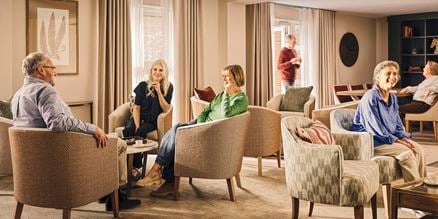
- You’d enjoy living as part of a community with shared facilities and social opportunities.
Many people assume moving means giving up their independence. In reality, the opposite is often true.
Choosing a home that’s designed for later life can remove many of the practical challenges that gradually limit independence, from maintaining a large property to worrying about future accessibility. Instead of adapting around the house, the house is already working around you.
Equally, moving isn’t always the right answer. Plenty of people continue living happily in adapted homes for many years. The important thing is choosing the option that supports the life you want to lead—not just today, but in the years ahead.
Stay independent for longer with support from McCarthy & Stone
If you’ve reached the point where adapting your home no longer feels like the right long-term solution, assisted living offers a different way to stay independent. Not everyone needs a care home. Sometimes, the biggest difference comes from living somewhere that’s easier to manage and designed with later life in mind.
At McCarthy & Stone, Retirement Living Plus gives residents their own apartment or bungalow, with many accessibility features already built in and flexible support available if and when it’s needed. Whether you’d benefit from occasional housekeeping, personal care or simply the reassurance that help is on hand, support can be tailored as your circumstances change.
Every person’s situation is different, and for many, adapting their current home will remain the right choice. But if you’re looking for a home that’s easier to manage, offers greater peace of mind and can support your independence for years to come, Retirement Living Plus could be worth considering.
Find out more about Retirement Living Plus
Arrange a visit to one of our communities or speak to one of our friendly advisors by calling us on 0800 201 4811 They’ll be happy to answer your questions, explain the support available and help you decide whether assisted living is the right next step for you.
