



Here are five things to consider, including housing options that may help make a move more manageable.
1. Could you get help with your next move?
The Government’s ‘Your First Home’ scheme is designed to help people who can afford monthly mortgage repayments but are finding it difficult to save a large deposit. For people moving later in life, there are other options worth exploring.
For eligible people aged 55 and over, Older Persons Shared Ownership is another Government-backed option. It can make moving to a home that better suits your needs more accessible, including if you have a home to sell.
2. Have you considered the full cost of moving?
The costs involved in moving can affect whether a move feels manageable. Stamp Duty can be a significant upfront cost when buying a home. It’s worth looking at the full cost of your move and considering which option best fits your circumstances.
There are different ways to move, including buying outright, renting and Older Persons Shared Ownership. Renting can offer a way to try life in a retirement property without committing to a purchase.
3. How could a move affect your retirement finances?
The Budget confirmed an increase in the State Pension and a new Pension Tax Allowance for people who rely solely on it. It’s a good time to review your regular income and outgoings and consider how the costs of moving could affect your retirement plans.
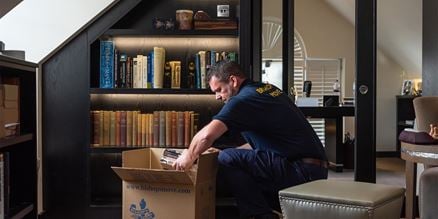
McCarthy & Stone’s Smooth Move service can help with some of the practical and financial pressures. Support can include contributions towards estate agent and legal fees, free removals and handyman services.
4. What help already exists for buying a retirement home?
Older Persons Shared Ownership, Part Exchange and Smooth Move can each help make a move more manageable, depending on your circumstances. Part Exchange can help avoid property chains and the uncertainty of finding a buyer. Renting is another option if you’re not ready to buy.
With Older Persons Shared Ownership, eligible buyers can purchase a share from 10% up to 75%, subject to a full financial assessment. If you buy less than 75%, you’ll pay rent on the remaining share, with the initial rent set at 2.75%. If you buy a 75% share, there’s no rent to pay on the remaining 25%.
5. What should you check before making your next move?
Before deciding, take time to consider:
- The full cost of moving, including Stamp Duty, deposits, legal and estate agent fees, and the costs of selling your current home and moving.
- Your housing options, and what each could mean for your upfront and ongoing costs.
- Whether the home will suit you in the future, including its accessibility, maintenance and location.
- Your wider retirement finances, including how the move may affect your regular outgoings
- The area and community, including access to family, friends, healthcare, transport and local amenities.
Could Older Persons Shared Ownership help with your move?
It’s a Government-backed scheme for eligible people aged 55 and over. You’ll have your own private home and access to the same on-site facilities as other homeowners. Care services may also be available.
Find out more about our Government-backed Older Persons Shared Ownership scheme and how it works.


